 Visit MrsMakeup UK
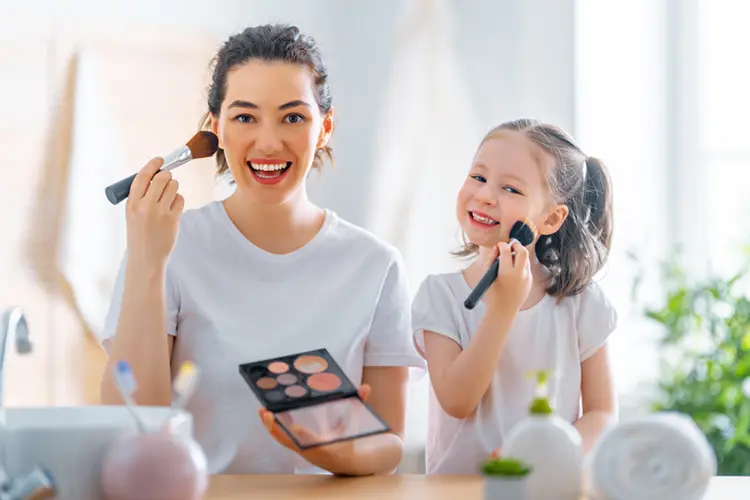
Vegan makeup has come a long way — and the options available to Irish shoppers now cover every category, every budget, and every skin type. But vegan status alone tells you one thing: no animal-derived ingredients. It says nothing about microplastics, parabens, PFAS, synthetic fragrance, or any of the other ingredients that make a product genuinely clean rather than just animal-free.
That distinction matters more than most vegan beauty marketing lets on. A vegan lipstick can still contain Polyethylene — a hard-flag microplastic. A vegan foundation can still carry synthetic fragrance that triggers sensitive skin. Cruelty-free and clean are separate standards, and the overlap between them is smaller than the packaging suggests.
Every product on this page is confirmed vegan and has been assessed against our full ingredient flag system. No hard flags, no greenwashing — just the picks that pass both tests, at prices that work for Irish shoppers.
Jump to a Category
- Vegan Foundation — from €8.19
- Vegan Lip Products — from €3.10
- Vegan Mascara — from €8.00
Vegan Foundation Ireland
Foundation is where ingredient quality matters most — it covers the largest surface area, sits on skin all day, and gets reapplied most often. The picks below are confirmed vegan, fragrance-free, and free of hard-flag ingredients across budget, mid, and premium price points.
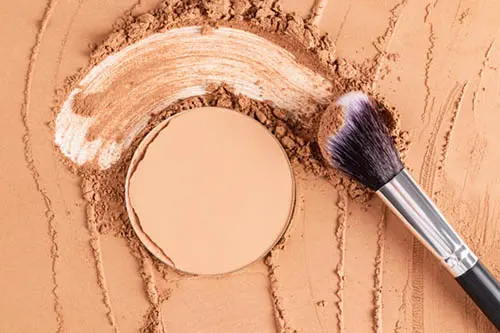
Catrice Nude Drop Tinted Serum Foundation — €8.19
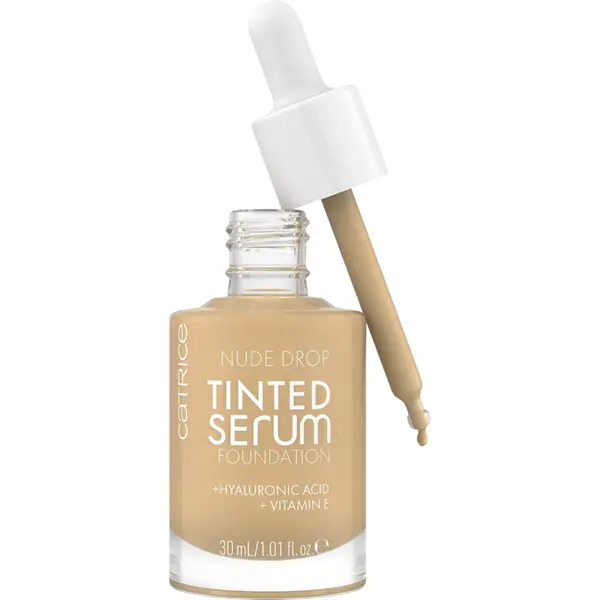
The best-value vegan foundation on this list — recommended status, fragrance-free, and a lightweight serum-skin tint that suits most skin types. The formula is minimal without being basic: niacinamide and hyaluronic acid are doing real work rather than just appearing for marketing. Coverage is sheer to light, making it ideal for an everyday natural finish. Widely available in Irish pharmacies and Penneys, and one of the most consistently clean budget foundations in our database.
Affiliate links: Some links on this page go to Amazon. If you buy through them we may earn a small commission at no extra cost to you. It never influences what we recommend — a product either passes our ingredient standard or it doesn’t.
e.l.f. Soft Glam Foundation — €10.00
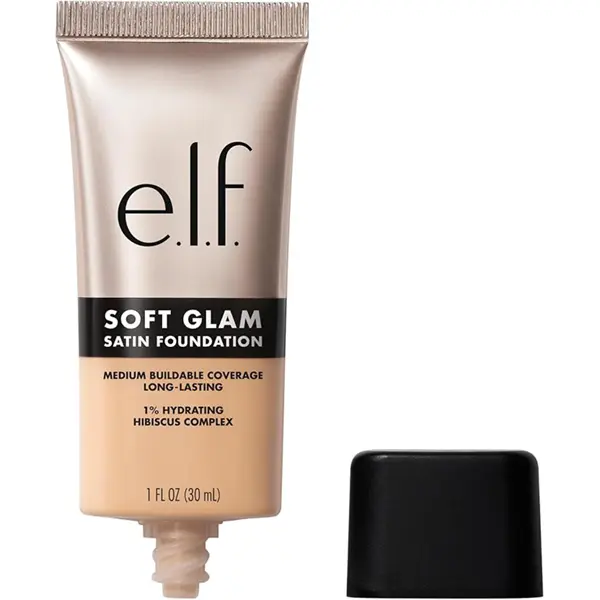
e.l.f. operates a clean ingredient standard across its entire range, which makes it one of the most consistently reliable drugstore brands to shop from without checking every product individually. The Soft Glam Foundation is vegan, fragrance-free, and carries a soft flag for dimethicone — a silicone transparency note, not a safety concern. Medium coverage with a satin finish and genuine staying power. e.l.f. is available in Penneys and pharmacies across Ireland, making it one of the most accessible vegan brands on the Irish high street.
bareMinerals Original Matte Loose Powder Foundation — €37.59
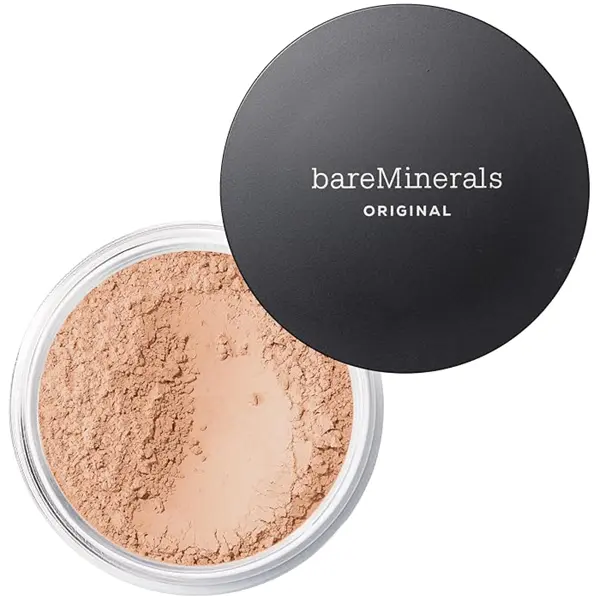
A mineral powder foundation with one of the shortest, cleanest ingredient lists of any product in our database — five ingredients, all minerals, nothing else. Titanium dioxide and zinc oxide provide natural SPF alongside coverage. No fragrance, no hard flags, no soft flags. Buildable from light to full coverage and genuinely skin-conditioning rather than just sitting on top. A particularly strong choice for oily and acne-prone skin. bareMinerals is certified vegan and cruelty-free across the entire range.
At €37.59 it is the premium pick on this list — but the formula justifies it. Five ingredients, zero flags, and a coverage that lasts. If you have been spending money on a conventional mineral foundation that isn't clean, this is where to redirect it.
For a deeper look at what makes a foundation formula genuinely clean — not just vegan — see our guide to natural foundation in Ireland.
Vegan Lip Products Ireland
Lip products carry a specific ingredient concern most people don't think about — they're partially ingested throughout the day. Microplastics in lipstick, particularly Polyethylene, accumulate in the body in a way that eye or face products don't. Vegan lipstick is not automatically free of Polyethylene — it appears in many vegan formulas. Both picks below have been checked for it specifically and confirmed clean.
Wet n Wild MegaLast High-Shine Lip Color — Rosé and Slay — €3.10
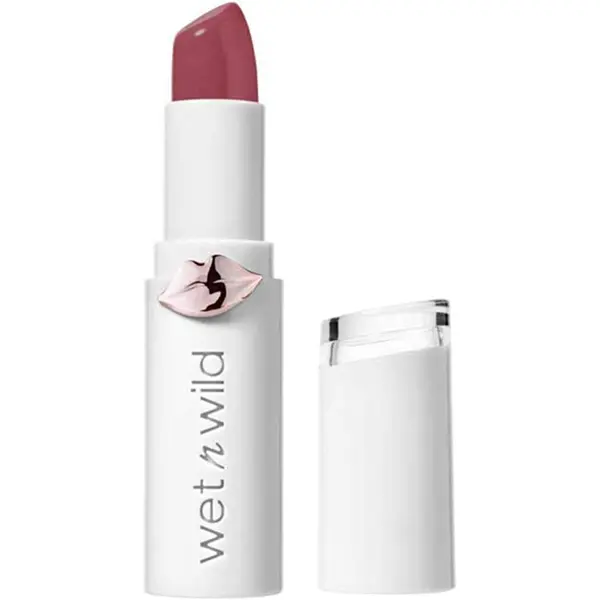
The standout budget find in the lip category — and genuinely one of the more surprising results from our database. Confirmed vegan, fragrance-free, and formulated with murumuru seed butter and rosehip oil for a nourishing base rather than the Polyethylene wax that makes most affordable lipsticks a hard flag. High-shine finish that is comfortable to wear without the tacky feel of cheaper gloss formulas.
At €3.10 it is one of very few budget lipsticks at this price point that passes our ingredient standard without compromise. If you are sceptical that a €3 lipstick can be clean — this is the one to try.
Lily Lolo Vegan Lipstick — Au Naturel — €15.53
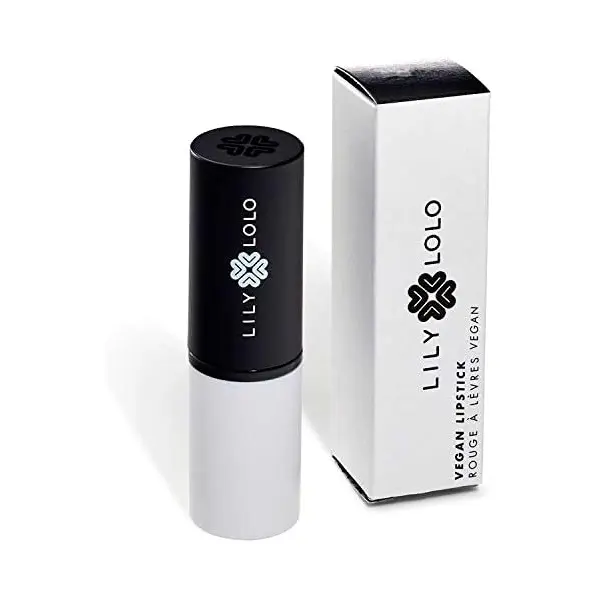
A clean mid-range lipstick built on grapeseed, argan, and sunflower seed oils — a genuinely nourishing base that performs as well as it reads on the ingredient list. Confirmed vegan, fragrance-free, and free of the Polyethylene and synthetic dyes that appear in most conventional lipstick ranges. Au Naturel is a barely-there golden beige — a versatile everyday neutral that works across most skin tones. Lily Lolo is a certified natural and vegan brand with a strong track record on ingredient transparency.
Vegan Mascara Ireland
Mascara is one of the more difficult categories for clean vegan formulas — beeswax (Cera Alba) is a common base ingredient that makes most conventional mascaras non-vegan, and the synthetic alternatives don't always perform as well. The pick below has been confirmed vegan and checked specifically for PFAS, Nylon-12, parabens, and carbon black.
e.l.f. Lash It Loud Mascara — €8.00
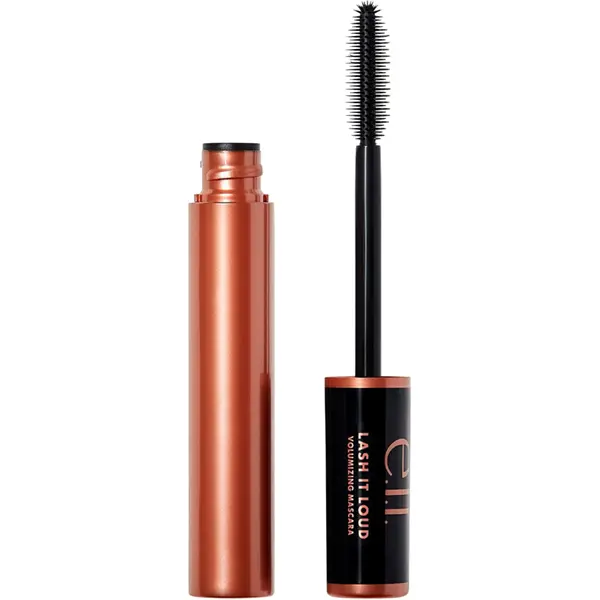
A water-based vegan mascara with synthetic beeswax, panthenol for lash conditioning, and clean iron oxide pigments — none of the carbon black that appears so frequently across the mascara category. Lengthening and volumising without the heavy, flaking formula many budget mascaras rely on. Fragrance-free, no hard flags, confirmed clean status in our database. At €8 it is one of the cleanest and most affordable vegan mascaras available in Ireland, and consistent with e.l.f.'s ingredient standard across the range.
For a full breakdown of mascara ingredients — PFAS in waterproof formulas, carbon black, and what a clean mascara formula actually looks like — see our organic mascara guide.
Vegan Is Not the Same as Clean — And It Matters
The distinction between vegan and clean is one of the most misunderstood areas of beauty marketing, and brands exploit it regularly. A product can carry a certified vegan logo and still contain Polyethylene microplastics, PFAS in a waterproof formula, or a heavy synthetic fragrance load. The vegan certification covers animal ingredients only — it has no view on any other ingredient in the formula.
The most common pattern we see: a brand certifies their range as vegan, leads all their marketing with that certification, and leaves the rest of the formula largely unchanged from a conventional product. The vegan claim is real. The implicit clean claim it creates is not.
This is worth knowing when you shop, because it means vegan searches return a lot of products that are genuinely animal-free but carry ingredient concerns you were probably trying to avoid. The filter you actually need — fragrance-free, microplastic-free, paraben-free — sits underneath the vegan layer, and most platforms don't let you apply both at once. Our Beauty Assistant does — tell it you need a vegan product and any other requirement, and it will cross-reference both against our database simultaneously.
Not sure which products to trust?
Our Beauty Assistant checks ingredients, flags problem formulas, and finds clean alternatives — just ask.
Frequently Asked Questions
No. Vegan means the product contains no animal-derived ingredients. Clean means the product is free of ingredients flagged for health or environmental concerns — microplastics, parabens, PFAS, synthetic fragrance, and others. A product can be vegan and still contain Polyethylene microplastics or a heavy fragrance allergen load. The best vegan makeup is both vegan and clean — which is the standard every product on this page has been assessed against.
Not automatically. Vegan makeup can still contain synthetic fragrance, drying alcohols, and other common sensitisers. For sensitive skin, the key filters are fragrance-free and free of alcohol denat — vegan status alone does not guarantee either. All products on this page are both vegan and fragrance-free, making them suitable starting points for sensitive skin. Always check the full ingredient list for your specific triggers, or ask our Beauty Assistant to filter by both vegan and sensitive skin safe simultaneously.
Yes — e.l.f. is a fully vegan and cruelty-free brand across its entire range, which makes it one of the easiest drugstore brands to shop from if vegan status matters to you. e.l.f. products are widely available in Penneys and pharmacies across Ireland at budget prices, and the ingredient standard across the range is consistently strong.
Often, yes. Polyethylene — a confirmed microplastic — is a standard ingredient in conventional lipstick formulation, including many vegan lipsticks. It is used as a texture and slip agent and appears in most mainstream lipstick brands regardless of their vegan positioning. The Wet n Wild MegaLast and Lily Lolo Au Naturel lipsticks on this page have been specifically checked and confirmed Polyethylene-free.
e.l.f. and Catrice are the most widely available clean vegan brands on the Irish high street — both are stocked in Penneys, pharmacies, and some supermarkets. Wet n Wild is harder to find in physical stores but available on Amazon.ie. bareMinerals and Lily Lolo are available online through Amazon.ie. All products on this page ship to Ireland. Our Beauty Assistant can filter by vegan status, budget, and Irish availability simultaneously.
Check for beeswax (Cera Alba), carmine (CI 75470), and lanolin on the ingredient list — the most common animal-derived ingredients in mascara. Synthetic beeswax, carnauba wax, and candelilla wax are vegan alternatives. A certified vegan logo on the packaging confirms vegan status without needing to read the full list. If you are unsure about a specific product, our Beauty Assistant can check it against our database for you.
Related guides
- Clean makeup Ireland — how to read ingredient labels and spot greenwashing
- Makeup for sensitive skin Ireland — fragrance-free and allergen-aware picks
- Foundation for mature skin — clean picks that won't settle into lines
- Beauty Assistant — check any product against our full ingredient standard