 Visit MrsMakeup UK
Clean makeup is one of the most searched terms in beauty right now — and one of the least regulated. Any brand can print the word "clean" on their packaging without meeting a single defined standard. There is no EU regulation that determines what clean makeup must or must not contain. There is no certification body that verifies the claim before it goes on the shelf. It is a marketing word, and it is being used like one.
That matters because shoppers searching for clean makeup in Ireland are not looking for better packaging or a more botanical-sounding brand name. They are looking for products free from ingredients linked to hormone disruption, microplastic contamination, and carcinogenic potential. That is a legitimate and specific need — and the industry has learned to dress up conventional formulas in language that sounds like it meets it, without the formula actually changing.
This article is about how that works, how to see through it, and what genuinely clean makeup actually looks like — including what it costs, which is often considerably less than you might expect.
The Price Illusion
In most product categories, a higher price genuinely signals better quality. In cosmetics, it often signals a bigger marketing budget and not much else. Premium pricing in beauty is one of the most effective tools in the industry — it creates an assumption of superior ingredients, superior safety, and superior performance that the formula itself frequently does not support.
The most effective way to illustrate this is with a real example. Here is a comparison we ran from our own ingredient review:
Same job. Very different ingredients. Very different price.
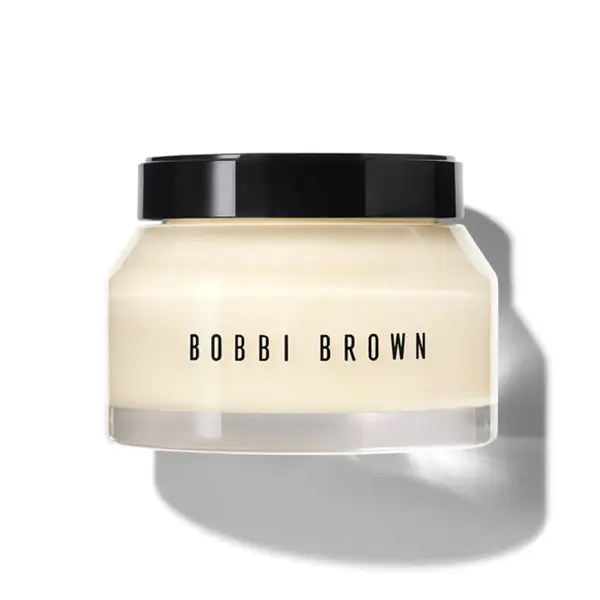
Bobbi Brown Vitamin Enriched Face Base+
€60 / 50ml
✗ Hard flag: Polyethylene — microplastic
Soft flags: 9 EU fragrance allergens, BHT, Chlorphenesin, Methyl Methacrylate Crosspolymer
Verdict: fails our standard. Hard flag alone disqualifies it — the soft flag load is heavy on top of that.
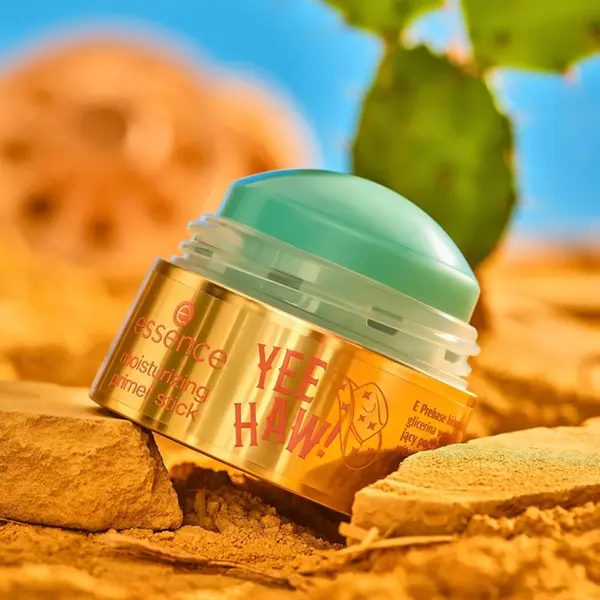
Essence YEE HAW! Moisturizing Primer Stick
€3.48
✓ No hard flags
✓ No soft flags
Verdict: passes our full standard. Recommended.
The Essence primer is €56.52 cheaper and passes every part of our ingredient review. The Bobbi Brown contains a microplastic — Polyethylene, a hard flag under our standard and under active EU restriction. The premium price bought better marketing, not a cleaner formula.
Affiliate links: Some links on this page go to Amazon. If you buy through them we may earn a small commission at no extra cost to you. It never influences what we recommend — a product either passes our ingredient standard or it doesn’t.
Bobbi Brown prices sourced from Boots.ie (€60/50ml) and Space NK IE (€22–€94 depending on size). Prices correct at time of publish: 14 September 2026.
This is not an isolated case. When we built the Mrs Makeup database we reviewed over 20,000 products across 26 makeup categories. Between 80 and 90 percent failed our ingredient standard. Premium-priced products failed at the same rate as budget ones — sometimes worse. Some of the heaviest ingredient flag loads we encountered were on products retailing above €50, sitting on shelves next to claims about being clean, natural, or vitamin-enriched.
The price illusion works because it is rarely questioned. Nobody asks why a primer costs €60. The assumption is that it must be worth it. In makeup, that assumption is frequently wrong — and the ingredient list is where you find that out.
Amazon makes this worse in a specific way. A large proportion of listings on Amazon.ie and Amazon.co.uk are sold not by the brand directly but by third-party sellers — independent retailers who source products and list them at their own prices. Some of those prices are marked up by as much as four times what the product costs elsewhere. The listing looks identical to an official brand listing. It may have hundreds or thousands of reviews. It often carries a Prime badge. None of that tells you the price is fair — it just tells you people bought it without checking. We flag this where we see it in our recommendations, and where the Irish Amazon listing is significantly overpriced relative to a better alternative, we link to the better option and say why.
The Label Game — How "Clean" Gets Faked
The word "clean" on a makeup product costs nothing to add. There is no EU or Irish regulatory body that reviews the claim before the product reaches the shelf. A brand can print "clean beauty", "clean formula", or "cleanly made" on any product — regardless of what is actually inside it — and face no legal consequence for doing so, provided they do not make a specific false claim about a named ingredient.
The same applies to "natural", "organic" (unless the product carries a genuine third-party certification like COSMOS or NATRUE), "non-toxic", "green", and "conscious". These are marketing descriptors, not regulated categories. Brands know this, and many use it deliberately.
The most common pattern we see is selective "free from" marketing — a product prominently advertising that it is paraben-free and sulphate-free, while the formula contains PFAS, microplastics, or a heavy fragrance allergen load. The brand has removed two ingredients shoppers recognise as concerns, highlighted those removals loudly on the front of the pack, and left everything else untouched. It looks like progress. It is not.
Another common tactic: the "vitamin-enriched" or "active-led" formula. Load the front label with impressive-sounding actives — niacinamide, hyaluronic acid, vitamin C derivatives — and those become the story. The preservative system, the fragrance blend, the filler ingredients that make up the bulk of the formula recede into the small print. The actives are real. The clean claim is implied rather than stated, and the implication does not survive a read of the full INCI list.
The Hidden Ingredient Problem
Greenwashing on the label is one issue. What happens before you even see the label is another.
A significant number of brands list incomplete or shortened ingredient lists on retail platforms — Amazon in particular. A full cosmetic formula might contain 40 ingredients. The Amazon listing shows 25. The ingredients most likely to trigger a concern — fragrance allergens, certain preservatives, flagged pigments — tend to be the ones that go missing. This is not always accidental. Ingredient filters on clean beauty platforms work by scanning listed ingredients. A product with a shortened listing clears filters that the full formula would not pass.
We encountered this repeatedly when building the Mrs Makeup database. Products that appeared borderline on an Amazon ingredient listing failed clearly when we tracked down the full INCI from the brand's EU site or a third-party retailer. The shortened Amazon listing was not a formatting issue. It was the full list minus the problematic ingredients.
This is why we cross-reference every product against multiple sources before it enters our database — brand EU sites, Boots, LookFantastic, and independent ingredient databases — and why we do not include a product if we cannot verify a complete ingredient list. If a brand will not show you everything that is in the formula, we treat that as a reason to be cautious, not a gap to work around.
The practical implication for Irish shoppers: never rely on an Amazon ingredient listing as your only source. If you are checking a product before you buy, find the brand's EU product page and read the INCI from there. Better still — paste it into our Beauty Assistant and let it check the full list against our flag standard for you.
What Genuinely Clean Makeup Actually Means
A meaningful clean standard is not a blanket rejection of every synthetic ingredient — that would make it impossible to recommend most mainstream makeup, and would stop being useful very quickly. It is a defined line, based on EU regulatory status and credible evidence of consumer health concern, that distinguishes ingredients worth avoiding from the ones that are genuinely fine.
At Mrs Makeup, our hard flag list — ingredients that automatically exclude a product from our recommendations — covers:
- Parabens — propylparaben, butylparaben, methylparaben, ethylparaben (in makeup and skincare)
- Microplastics — Polyethylene, Nylon-12, Nylon-11, Polypropylene, PMMA and related
- PFAS — PTFE and fluorinated compounds (excluding synthetic fluorphlogopite)
- Formaldehyde releasers — DMDM Hydantoin, Imidazolidinyl Urea, Quaternium-15
- MIT / MCI — Methylisothiazolinone and Methylchloroisothiazolinone
- D4 — Cyclotetrasiloxane (EU banned)
- Phthalates — DBP, DEHP, DEP
- Oxybenzone — UV filter with endocrine disruption concerns
Ingredients that sit in a more debatable position — fragrance allergens, D5 and D6 silicones, certain UV filters — are treated as soft flags: surfaced as advisory information rather than automatic disqualifiers. A product with a single fragrance allergen is not the same problem as a product containing a microplastic. Our standard reflects that distinction rather than treating every ingredient concern as equal.
For a deeper look at specific ingredient categories — mascaras, foundations, sensitive skin formulas — our vegan makeup guide covers the full picture. If sensitive skin is your primary concern, our makeup for sensitive skin guide goes into the specific triggers and what fragrance-free formulas actually pass our review. If you're over 50 and specifically looking for foundation, our clean foundation picks for mature skin run through exactly what to avoid and what actually works. And if you want to know whether a specific product in your bag right now passes our standard, the fastest route is our Beauty Assistant — paste the ingredient list and it will check it for you.
Not sure which products to trust?
Our Beauty Assistant checks ingredients, flags problem formulas, and finds clean alternatives — just ask.
Frequently Asked Questions
No. Neither Irish law nor EU cosmetics regulation defines "clean" as a product category. The EU Cosmetics Regulation (EC 1223/2009) sets safety requirements and restricts or bans certain ingredients, but does not regulate the use of the word "clean" on packaging. Any brand can use it freely, with no verification required. This is why third-party standards — like ours — exist.
No — and in our experience reviewing over 20,000 products, often the opposite. Premium pricing in cosmetics reflects brand positioning, packaging, and marketing spend far more reliably than it reflects ingredient quality. Some of the heaviest ingredient flag loads we found during our database build were on products retailing above €50. Budget and mid-range products regularly outperform premium ones on our standard.
Not as your only source, no. Amazon ingredient listings are frequently incomplete — brands regularly omit ingredients from their retail platform listings that appear on their EU brand sites. Always cross-reference with the brand's own EU product page before relying on an Amazon listing for ingredient decisions. Alternatively, paste the full INCI into our Beauty Assistant and it will check it against our standard for you.
It tells you two specific ingredients are not in the formula — and nothing more. "Free from" marketing is one of the most common greenwashing patterns in the industry. A product can be genuinely free from parabens and sulphates while still containing PFAS, microplastics, formaldehyde releasers, or a heavy fragrance allergen load. The two removed ingredients get highlighted on the front of the pack; everything else stays in the formula and stays out of the conversation.
The quickest way is to paste the ingredient list into our Beauty Assistant — it checks against our full flag standard and tells you what, if anything, raises a concern. If you want to check manually, find the full INCI on the brand's EU product page (not Amazon) and scan for the hard flag ingredients listed in this article. If a brand does not publish a full ingredient list anywhere, treat that as a concern in itself.